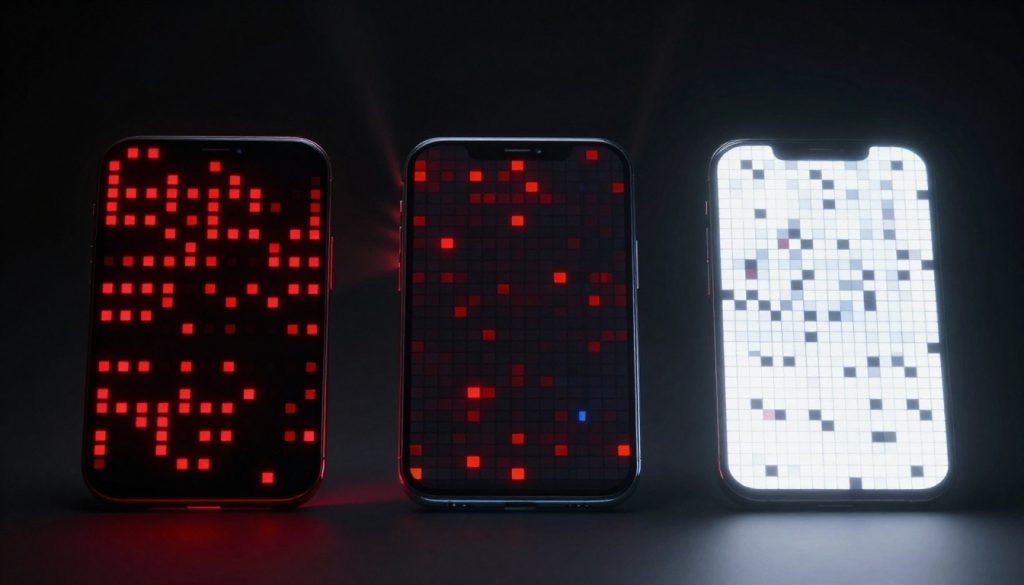

OLED vs AMOLED vs IPS Displays: Best Screen Technology for Phones in 2026
Your phone’s screen shapes every swipe, scroll, and stream. It pulls you into videos with sharp details or drains your battery during a long day out. In 2026, tech leaps make picking the right display tougher than ever. OLED lights up pixels on their own for deep blacks. AMOLED tweaks that for smoother action. IPS LCD sticks to backlights for steady colors. This guide breaks down these options. It helps you choose the top screen tech for your phone based on real needs like gaming or daily chats.
Section 1: Understanding the Core Technologies: How Pixels Light Up
OLED: The Self-Emissive Revolution
OLED stands for Organic Light-Emitting Diode. Each pixel glows on its own without a backlight. This setup lets pixels turn off for pure black shades. You get endless contrast that makes images pop. Plus, these screens stay slim and light. They fit into sleek phone designs easily.
AMOLED: The Optimized Evolution of OLED
AMOLED means Active-Matrix Organic Light-Emitting Diode. It adds a thin-film transistor layer to control pixels fast. This boosts refresh speeds and cuts power use. In 2026, many brands shift to LTPO backplanes. These allow refresh rates to drop low for battery savings. High-end phones use this for smooth scrolls and less drain.
IPS LCD: The Persistent Power of Transistors
IPS is In-Plane Switching Liquid Crystal Display. It uses a backlight that stays on all the time. Liquid crystals twist to let light through and form images. This tech beats older LCDs in color truth and side views. It holds up well in bright rooms. Yet, it can’t match the dark depths of self-lit pixels.
Section 2: Performance Showdown: Visual Quality Metrics for 2026
Contrast Ratios and True Black Performance
OLED and AMOLED shine with infinite contrast. Pixels shut off for real black, no glow leaks. IPS relies on backlights, so blacks look gray with some light bleed. This matters for HDR videos on your phone. Dark scenes in movies feel alive on OLED. In sunny spots, that edge fades a bit.
Color Accuracy, Brightness, and Peak Luminance
All three cover wide colors like DCI-P3 in 2026 models. AMOLED often hits Rec. 2020 for vivid tones. IPS matches well with good calibration. Peak brightness tops 2000 nits on premium AMOLEDs. This fights glare outdoors. Look for VESA certification to spot top performers. IPS holds steady at 1000-1500 nits but feels even across the screen.
Response Time and Motion Clarity
AMOLED pixels switch in microseconds. No blur in fast games at 144Hz or more. IPS crystals take longer to align, adding slight lag. This shows in sports clips or quick taps. Gamers notice the difference in fluid play. High-refresh IPS improves, but AMOLED leads for crisp motion.
Section 3: Efficiency and Durability: The Practical Realities
Power Consumption Under Varied Loads
AMOLED saves juice on dark screens. Turn on Dark Mode, and pixels dim to black. This extends battery life by 20-30% for night use. OLED follows suit but lacks AMOLED’s tweaks. IPS draws steady power from its backlight. Bright photos or white apps hit the drain harder. In mixed days, AMOLED wins for balance.
- Dark content: AMOLED pulls ahead with low draw.
- Bright apps: IPS stays consistent, no surprises.
- Video streaming: OLED edges out for long sessions.
Longevity Concerns: Burn-In and Degradation
Organic layers in OLED and AMOLED wear over time. Static icons can leave faint marks after years. New fixes like pixel shifts help. Phones dim screens auto to slow fade. IPS uses tough inorganic parts that last longer. No burn risk, but backlights yellow after heavy use. Expect 5-7 years from all in 2026 builds.
Cost of Manufacturing and Adoption Rates
OLED costs drop with scale, but AMOLED stays pricier for LTPO. Flagships from Samsung pack AMOLED everywhere. Apple mixes in some IPS for budget lines. Google leans OLED for Pixels. Mid-range phones favor IPS to keep prices low. In 2026, 70% of premiums use AMOLED. Budgets stick to IPS for value.
Section 4: Advanced Display Features Driven by Panel Type
High Refresh Rates and Adaptive Sync
LTPO in AMOLED adjusts from 1Hz to 120Hz. It saves power on static pages. IPS adds variable rates too, but caps lower. AMOLED handles VRR smooth for games without tears. This cuts stutter in apps. Premium phones make 120Hz standard now.
Foldable Displays and Flexible Form Factors
AMOLED bends with plastic layers like polyimide. It’s the go-to for foldables from Samsung or Oppo. IPS needs rigid glass, so it skips flex tech. Rollable screens push AMOLED further. You get crease-free views on new devices. Expect more bendy phones in 2026.
Integrated Touch Sensing and Under-Display Cameras (UDC)
AMOLED stacks touch right in the pixels. This frees space for under-screen cams. Images stay clear, no notches. Fingerprint readers hide below too. IPS struggles with light paths for UDCs. It often adds bezels or cuts quality. AMOLED keeps the full screen pure.
Section 5: Actionable Selection Guide: Choosing Your Best Screen for 2026
Prioritizing Media Consumption and Gaming
Go AMOLED if you binge shows or game hard. Its contrast boosts HDR thrills. Fast response keeps action sharp. Check for DC Dimming to avoid flicker headaches. PWM in cheap AMOLEDs can bother eyes.
- Top picks: Samsung Galaxy or Google Pixel series.
- Why? Deep blacks and quick pixels suit videos and esports.
Prioritizing Budget and Longevity
Pick IPS for cheap, tough screens. It lasts without burn worries. Battery holds up in bright tasks. Hunt models with low Delta E for true colors. These run under $500 easy.
- Examples: Moto G or older iPhone SE.
- Tip: Test in store for angle views.
The Premium Middle Ground: What to Expect in Flagships
Most 2026 top phones use LTPO AMOLED. Brands tune it for max brightness and low power. Differences come in color pop or anti-burn tools. Samsung leads in foldables. Apple refines for eye comfort. You pay for the full package here.
Conclusion: The Future Screen is Defined by Optimization, Not Just Type
AMOLED brings depth and smarts to phone screens. IPS offers trust and savings. OLED sits in between with solid basics. Each fits niches in 2026. Your choice hinges on habits and wallet. Gamers grab AMOLED for edge. Budget users stick IPS for peace. Test displays in person. Find what clicks for your daily flow. What’s your next phone screen?