The 2026 Smartphone Display Revolution: Decoding Peak Brightness, Adaptive Refresh Rates, and Advanced Eye Protection
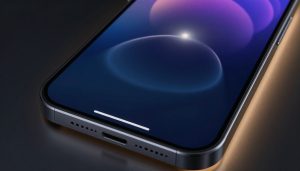
Your smartphone screen lights up your day. It’s where you watch videos, play games, and check messages. By 2026, these displays have changed a lot. They now handle big jobs like streaming high-def movies, editing photos on the go, and even video calls that feel real. People use phones more for work and fun, plus they worry about eye health from long screen time.
This shift makes the display the main spot for new ideas. Think about it: brighter screens fight glare from the sun. Smoother refresh rates make scrolling feel natural. And smart eye protection keeps your vision safe. We cover three big parts here: extreme brightness for clear views, fluid refresh rates for quick action, and health features to cut strain. In 2026, top smartphone displays give top performance while guarding your eyes for the long haul.
The Quest for Peak Luminance: Beyond 3,000 Nits
Brighter screens help you see details in tough spots. HDR videos pop with light bursts that mimic real life. Outdoors, sun can wash out colors, but high brightness fixes that. Phone makers race to beat old OLED limits. They push past 3,000 nits to make screens shine even in direct light.
This push comes from how we use phones now. More folks watch 4K content anywhere. Pro users need sharp views for tasks like design work. The goal? Screens that stay clear without draining your battery fast.
Understanding Local Dimming Zones and Micro-LED Progress
Local dimming lets parts of the screen light up on their own. This boosts contrast without wasting power on dark areas. By 2026, zones get smaller, up to thousands per screen. LTPO tech improves this, mixing oxide layers for better control.
Micro-LED steps in too. These tiny lights offer pure black and bright whites. Phone brands test them in flagships. They fit small devices without high costs yet. Power use drops, so your phone lasts longer on a charge.
Expect hybrids soon. OLED pairs with Micro-LED for key spots like highlights. This mix hits new brightness peaks. Your photos and games look alive.
Real-World Brightness Metrics: Sustained vs. Peak
Peak brightness hits high for short bursts, like a movie explosion. It can top 4,000 nits in 2026 models. But sustained brightness matters more for daily use. That’s the steady light at full screen glow, often around 2,000 nits now.
In sun, you need that steady power. Current top phones hold 1,500 nits average. By 2026, aim for 2,500 nits sustained. Tests show this cuts squinting by half. Videos stay vivid; maps read easy.
Check specs close. Some claim peaks but fade quick. Look for APL scores in reviews. They tell the real story for outdoor days.
Power Efficiency Challenges at Extreme Luminance
High brightness eats battery. Old screens guzzle juice at full blast. But new materials change that. Better phosphors hold light longer with less drain.
Engineers tweak backlights and drivers. AI steps in to dim unused edges. You get bright views without watching the percentage drop. A full day of use becomes normal.
Trade-offs linger. Max settings still sip power. But 2026 phones balance it well. Charge once, enjoy the shine.
Adaptive Refresh Rates: The 1Hz to 240Hz Spectrum
Refresh rates make motion smooth. High ones, like 120Hz, cut blur in games. Low ones save energy on still images. By 2026, screens switch smart between 1Hz and 240Hz. No lag, just right speed for the task.
This tech started years back. Now it matures. You scroll feeds at 60Hz. Jump to games at 240Hz. Battery thanks you for the smarts.
LTPO leads the way. It flexes rates on the fly. Your experience feels tailored, not forced.
The Maturation of LTPO Technology (Low-Temperature Polycrystalline Oxide)
LTPO 4.0 brings instant shifts. No stutter when rates change. From 1Hz for e-books to 165Hz for apps, it flows. Power drops 30% on low settings.
Version 5.0 might hit soon. It adds finer steps, like 24Hz jumps. Artifacts vanish. Reading news feels crisp; videos play true.
Phones use this for all-day life. Static menus idle low. Action ramps up high. You notice the ease right away.
Gaming and High-Frame-Rate Standards
Gamers love 240Hz. It slashes input lag to milliseconds. Mobile esports demand this now. Flagship phones pack it in.
Visuals sharpen. Fast turns in shooters look real. Battery holds for long sessions. Pros pick these for edges in play.
By 2026, 180Hz becomes base for gamers. Titles run at native rates. No frame drops spoil the fun.
Dynamic Frame Rate Synchronization with Content
Smart software matches screen to video. A 24fps film runs at 72Hz multiples. No judder shakes the scene.
Algorithms scan content live. They pick the best rate. Battery saves kick in too. Watch hours without worry.
This sync boosts all media. Sports at 60Hz feel live. Animations glide perfect. Your phone adapts to you.
Next-Generation Eye Protection: Moving Beyond Blue Light Filters
Screen time adds up. Eyes tire from blue light and flicker. Users demand better now. 2026 displays build health in from the start. No add-on fixes; it’s core design.
Awareness grows. Studies link blue light to sleep issues. Makers respond with smart panels. Comfort joins brightness as a must.
You deserve screens that care. Less strain means more joy in use.
Spectral Power Distribution Tuning for Circadian Rhythm Health
Old filters tint screens orange at night. New tech tunes light waves at the source. Blue cuts without color loss.
Panels shift spectra smart. Day mode full spectrum. Evening warms natural. Research backs this for better sleep.
Standards like TÜV Rheinland certify low blue. Look for them. Your rhythm stays on track.
Flicker Reduction and High-Frequency PWM Dimming
PWM dims lights by pulsing. Low speeds cause headaches. 2026 screens use >3000Hz rates. Eyes miss the flicker.
DC dimming skips pulses. Steady light feels calm. Low brightness stays smooth. No buzz in dim rooms.
Tests show less fatigue. Long reads hurt less. Your eyes thank the quiet glow.
Glare Management and Anti-Reflective Layers
Reflections force brightness up. New coatings scatter light away. Glass like Gorilla Guard cuts bounce by 75%.
Nano-textures on panels help. Outdoors stay clear. No need to crank power and strain.
Eye rest follows. Less glare means softer views. Daily use feels kinder.
Material Science Breakthroughs Underpinning Future Displays
Tech roots in new stuff. Materials make big jumps possible. Efficiency rises; costs drop. 2026 screens owe it to labs.
From diodes to glass, shifts happen fast. Phones get tougher, brighter cores.
You feel the gains in hand.
The OLED Efficiency Leap: E6 and E7 Substrate Developments
E6 materials boost light output 20%. Lifespan stretches too. No burn-in worries.
E7 adds red-green tweaks. Colors pop true. Power use falls across modes.
These bases power most phones. Upgrades keep OLED king for now.
The Potential Role of Hybrid Displays (Micro-LED Integration)
Micro-LED mixes with OLED. Bright zones use tiny LEDs. Blacks stay deep.
Power wins big. Color covers wider ranges. High-end phones debut this.
By 2026, it’s mainstream in premiums. Views gain depth you see.
Advanced Touch Sampling and Haptic Integration
Touch at 1000Hz feels instant. Pairs with refresh for quick taps.
Haptics vibrate through the stack. Feedback matches visuals. Games immerse deep.
Full sync creates magic. Swipe, feel, see—it all lines up.
Actionable Insights for Consumers Navigating the 2026 Market
New phones tempt. Pick smart in this wave. Focus on real features, not hype.
Guides help sort the best. You get value that lasts.
Stay ahead; choose right.
Key Specifications to Prioritize When Buying in 2026
Hunt these in specs:
- Sustained brightness over 2,000 nits for sun use.
- Adaptive rates from 1Hz to 240Hz with LTPO.
- Eye tech like high PWM or DC dimming.
Test in stores. Scroll fast; watch outdoors. Feels tell truth.
Skip basic 60Hz. Go for fluid ones.
Understanding Display Certifications for Health and Quality
Certifications prove claims. TÜV for low blue light. SGS for flicker-free.
Color accuracy via DisplayMate. Avoid vague terms.
Certified means tested health. Peace in picks.
Conclusion: The Visually Perfect, Health-Conscious Interface
2026 smartphone displays nail three wins. Peak brightness blasts through glare. Adaptive refresh rates smooth every move. Eye protection builds in care.
No more tough choices. Performance and wellness team up. Your screen serves long without harm.
Ready for the upgrade? Check these features next buy. Enjoy the clear, kind views ahead.