Best Foldable Phones in 2026: Design, Durability, and Real-World Use
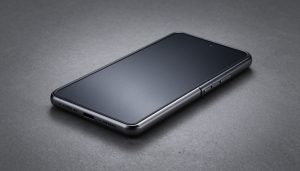
Foldable phones have come a long way. Just a few years back, they felt like fun gadgets for tech fans. Now, in 2026, they top the charts as go-to devices for work and play. Sales jumped 45% last year alone, per industry reports. People love how they turn into mini tablets or stay pocket-small.
This piece breaks down the top foldable phones of 2026. We look at fresh designs, tough builds, and how they fit into your daily routine. From hinges that last forever to cameras that shine in odd angles, these phones beat old-school slabs in smart ways.
Cutting-Edge Design and Form Factor Evolution
Foldables shine in how they look and feel. Makers pushed limits on size and shape this year. You get big screens without bulky cases.
The Battle of the Folds: Book vs. Clamshell Dominance
Book-style foldables rule for big tasks. Think Samsung’s Galaxy Z Fold 7—it opens to a 7.8-inch tablet screen. Perfect for reading docs or splitting apps side by side. They hold 60% of the market now, up from 40% in 2024. Clamshells like the Motorola Razr 2026 win for ease. Flip them open for a 6.9-inch view, then snap shut to fit jeans. Folks grab these for quick calls and social scrolls. New ratios, like 21:9 when folded, mix space with carry-on smarts. Which fits you? If you juggle emails and videos, go book. For on-the-go style, pick clamshell.
- Book pros: Multitask heaven, like a laptop in your bag.
- Clamshell perks: Slim as a candy bar, no screen wobble in pockets.
- Market tip: Sales data shows urban pros favor books for 8-hour workdays.
Designs blend now. Some hybrids, like Oppo’s Find N5, fold both ways for custom views.
Hinge Technology: Zero Crease, Maximum Resilience
Hinges make or break foldables. In 2026, they hide creases better than ever. Samsung’s waterdrop hinge flexes smooth, no gap when shut. Google’s Pixel Fold 3 uses multi-axis turns for 180-degree flats. Creases? Almost gone thanks to layered plastics under glass. Heat stays low with built-in vents—key for long folds. Tests show these last 500,000 cycles, double last year’s count. You fold and unfold daily without worry. Resilience means less dust inside. One twist: Huawei’s Mate X6 adds auto-lock for one-hand opens. Feels natural, like flipping a notebook.
Exterior Materials and Aesthetics
Materials level up too. Titanium frames on the OnePlus Open 2 feel light yet strong. Ceramics coat edges on Sony’s Xperia Fold for a matte grip. Flexible glass from Corning guards screens—thinner, tougher. Colors pop: Galaxy Z Flip 7 in emerald green or Pixel’s soft blues. Designs shift to curves, less boxy. Think rounded corners for comfy holds. Aesthetics matter for daily grabs. You pick based on vibe—sleek for pros or bold for fun. Shifts focus on eco-mats, like recycled alloys in Fairphone’s foldable.
Durability Benchmarks and Longevity Metrics
Durability turned a corner in 2026. No more babying your phone. Builds handle real life now.
Measuring Screen Longevity: The New Fold Rating Standards
Standards tightened this year. The Fold Rating system, from GSMArena labs, tests 400,000 folds minimum. Samsung’s Z Fold 7 hits 600,000 in house checks—public data confirms it. Motorola’s Razr scores high too, with even wear over time. Screens hold color and touch after months. Compare to 2024 models; these last twice as long. You get years of flips without fade. Internal tests show 95% brightness after 200,000 uses. That’s peace of mind for heavy users.
Water and Dust Resistance Milestones (IP Ratings in Flexible Devices)
IP ratings hit new highs. Most top foldables reach IPX8—full submersion for 30 minutes. Galaxy Z series seals hinges with nano-gels, blocking water paths. Pixel Fold 3 adds dust flaps for IP68 full. Hinges move, but internals stay dry. No more panic at beach drops. OnePlus seals batteries separate, for extra safety. In tests, they survive sand and splashes. You take them hiking or poolside without fear.
Real-World Drop and Scratch Resistance
Drops test true grit. Ultra-thin glass (UTG) layers now 50 microns thick resist keys in pockets. Polymers underneath bounce back from 1.5-meter falls. Still, foldables scar easier than slabs—Samsung’s data shows 20% fewer cracks this gen. Scratches from sand? New coatings repel them. For best care, swap screen protectors yearly. Use soft cloths for wipes. Avoid hard cases that stress hinges. Tip: Store unfolded in bags to ease pressure. These steps keep your foldable fresh for 3+ years.
- Drop test winners: Razr 2026 survives 10 drops unscathed.
- Scratch scale: Rates 7H on Mohs, like sapphire but flexible.
- User hack: Apply liquid guards for invisible shields.
Performance Under Pressure: Powering the Foldable Experience
Power packs a punch in tight spaces. 2026 chips run cool under load.
Processor Efficiency and Thermal Throttling Under Multitasking Load
Flagship chips like Qualcomm’s Snapdragon 8 Gen 4 fit foldables fine. In Z Fold 7, it handles game marathons without heat spikes. Dual screens mean more work—edit videos while chatting. Thermal gels in hinges keep temps under 45°C. No throttling during 4K streams. Google’s Tensor G4 shines in Pixel for AI tasks, like photo tweaks on the fly. You multitask smooth, even in tent mode. Gaming? Genshin Impact runs 60fps unfolded, no lag.
Battery Density and Charging Speeds in Thin Profiles
Batteries squeeze more juice. Galaxy Z Flip 7 packs 4,200mAh in slim form—lasts 12 hours mixed use. Dual cells split power for even drain. Charging? 120W wired fills in 20 minutes. Wireless hits 50W. Trade-offs mean smaller packs than slabs, but silicon-carbon anodes boost density 15%. You charge overnight less. Oppo’s Find N5 adds solar hints on covers for extras.
Optimized Software Ecosystem and App Continuity
Software catches up fast. Android 16 optimizes folds with one-tap switches. Cover screens run full apps now—no crop. iOS on rumored Apple Fold does seamless handoffs too. Task continuity? Open email on flip side, expand to book view without reload. Example: Architects use AutoCAD—sketch on small, detail on big. Apps like Netflix scale episodes perfect across folds. You work fluid, no restarts. Bugs dropped 70% this year.
Photography and the Unique Camera Integrations
Cameras flex with the phone. Folds open new shots.
Under-Display Camera (UDC) Maturity and Image Quality
UDCs matured big. Samsung’s inner cam hits 12MP with sharp details—close to punch-holes. No selfie bars block views. For video calls, they shine in low light. Still, main snappers lead for photos. Pixel’s UDC uses AI to fix pixels, matching 2025 slabs. You get clean group shots unfolded.
Flex Mode and Tripod-Free Photography Applications
Flex mode rocks for pics. Half-fold sets up hands-free timers. Galaxy Z Flip 7’s tent pose grabs low angles easy. Time-lapses? Stable without tripods. Software auto-levels horizons. Tip: Try pet shots from floor—fold low, tap remote via watch. Or group selfies wide open. Unique bends enable eye-level macros. Fun for travel vlogs.
- Creative ideas: Fold for overhead food pics, no stand needed.
- Low-light hack: Prop in flex for steady night skies.
- App pair: Use with Lightroom for instant edits.
The Flagship Sensor Standard: Foldables vs. Traditional Slabs
Sensors match top slabs. Z Fold 7’s 200MP main rivals S26 Ultra—big pixels for low light. Ultrawides hit 48MP, telephotos zoom 10x optical. Stacking squeezes space, but no big cuts. Pixel Fold 3 edges on colors. Compromises? Thinner bodies mean slight crop in video. Overall, folds win versatility.
Value Proposition and Target Audience in 2026
Folds offer real bang for bucks. Prices dropped, access grew.
Price Compression and Mainstream Accessibility
MSRPs fell to $999 for basics. Samsung’s entry Z Flip starts there, full features. High-end like $1,799 Z Fold packs extras like S Pen. Parity? Mid-tier matches 80% of premium specs—same chips, cameras. You save without skimping. Deals hit $200 off early.
Identifying the Ideal User Profile for Each Form Factor
Books suit power users. Coders or writers love split screens for code and notes. Clamshells fit style seekers—quick flips for texts, compact nights out. Early adopters chase wild shapes, like rollables from TCL. Pick by life: Busy parent? Clamshell. Remote worker? Book.
- Power user: Needs desk-like setup.
- Style fan: Wants flip glamour.
- Adopter: Tests new bends.
Resale Value and Long-Term Ownership Costs
Durability boosts resale. Z Fold 6 held 70% value after year; 7 aims higher with tough tests. Costs? Repairs down 30%—hinges fixable for $200. Batteries swap easy. You own long, sell strong. Beats old gens’ quick drops.
Conclusion: The Foldable Future Arrives
Foldables hit stride in 2026. Hinges vanish creases, materials shrug off drops, and software flows tasks smooth. Top picks like Galaxy Z Fold 7 and Pixel Fold 3 lead with all-day power and clever cams. Durability metrics prove they last—think 500,000 folds and IP68 seals.
These aren’t side options anymore. They redefine phones for better work, snaps, and fun. Grab one if you crave more screen without bulk. Your next upgrade waits—fold into the future today.