
iPhone vs Android in 2026: Which One Is Better for Daily Use and Long-Term Support?
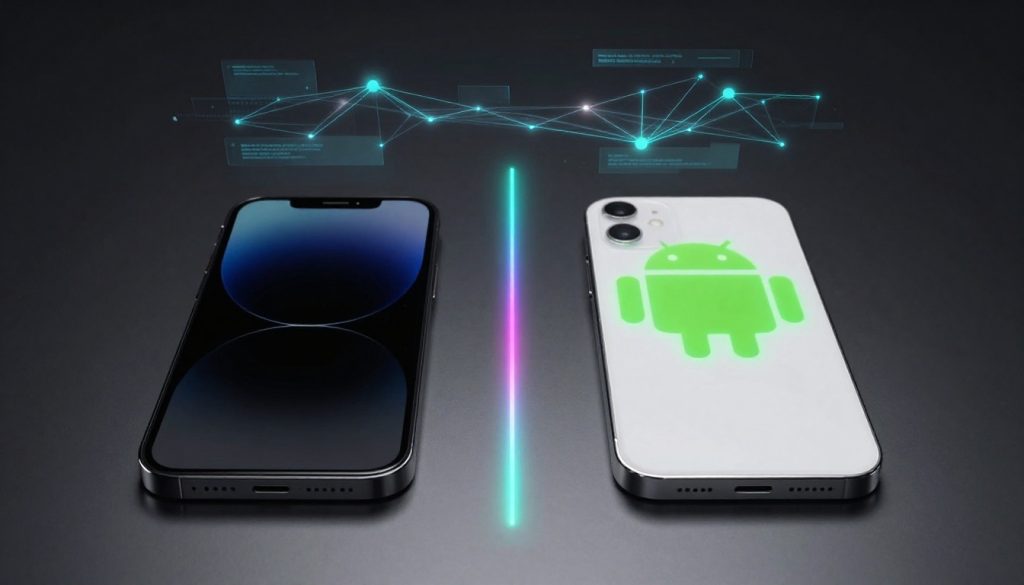
The battle between iPhone and Android has raged for years. In 2026, it’s fiercer than ever. Foldable screens are everywhere now, and AI helps with everything from emails to photos. Both sides offer top-notch phones, but picking one feels tough.
What makes a phone great for your day-to-day life? And how long will it stay fresh with updates? The best choice boils down to what you need most. If you want a smooth tie-in with other Apple gear, go for iOS on iPhone. For tons of options in looks and hardware, Android wins hands down.
Hardware Evolution and Ecosystem Lock-in by 2026
Phones in 2026 push boundaries in design and power. Android leads in variety, while Apple keeps things tight and efficient. Let’s break it down.
The Maturation of Foldables and Mid-Range Power on Android
Foldables have gone mainstream by now. Samsung’s latest Galaxy Z series folds without creases that last. Google’s Pixel Fold 3 opens like a book and runs smooth apps on its big inner screen. These phones handle multi-tasking better, thanks to stronger hinges and glass that doesn’t crack easy.
Mid-range Androids pack a punch too. Take Nothing’s Phone 3 or Google’s Pixel A16. They cost under $500 but rival flagships in speed. You get great cameras and batteries that last all day. No need to splurge for solid daily use.
This mix lets you pick a phone that fits your pocket and style. Want a small foldable for travel? Android has it.
Apple’s Silicon Dominance and Vertical Integration
Apple’s chips rule the roost. The A20 in the iPhone 18 crushes tasks with low power use. It pairs well with M-series tech in Macs and iPads. Your iPhone syncs files and beats across devices without a hitch.
On-device AI shines here. The Neural Engine processes photos or voice commands fast, all without cloud help. That means quicker responses and better privacy.
The ecosystem locks you in, but in a good way. AirPods connect instantly. Your Watch tracks health and pings your phone. Switching to Android? It feels like starting over. Apple’s control boosts performance, but it limits choices.
Software Updates, Longevity, and Security Posture
Long-term support keeps your phone safe and current. In 2026, both platforms step up, but differences stand out. Think about how often you’ll update before buying.
Guaranteed Support Windows: The Long-Term Value Proposition
Apple promises seven years of updates for iPhone 18 models. That’s iOS versions, security fixes, and new features up to 2033. Your phone stays zippy and secure longer.
Android varies by maker. Google gives seven years for Pixels too, matching Apple. Samsung and others follow suit for flagships. But budget Androids? They might get just two or three years. That short life hikes the real cost over time.
Resale value tells the tale. An iPhone 16 from 2024 still fetches $400 in 2026. Many Androids drop faster, losing half their worth in a year. Pick iPhone if you keep devices long. Android suits quick upgraders.
Fragmentation vs. Unified Security Patches
Android’s big issue? Not all phones get patches at once. Thousands of models mean delays. A Samsung might update quick, but an old Moto? Weeks or months later.
Apple rolls out iOS updates to every device on day one. No waiting. That blocks hackers better across the board.
Android fights back with Project Mainline. It updates core parts without full OS changes. Tools from firms like Lookout add extra scans. Still, Apple’s unity wins for peace of mind. In daily use, you worry less about risks.
Daily User Experience: Interface, Customization, and AI Integration
How does it feel to use these phones every day? iOS keeps it simple. Android lets you tweak everything. AI adds smarts to both, but in fresh ways.
iOS 20: Refinement, Simplicity, and First-Party AI Tools
iOS 20 feels clean and quick. Swipe through apps without clutter. For folks new to tech, it’s a breeze—no steep learning curve.
AI steps up big. Edit photos with smart suggestions, like removing backgrounds in seconds. Siri predicts your needs, like routing your commute based on traffic. All this runs on your phone, fast and private.
Apple apps tie together. Messages sync with your Mac. Photos edit across devices. If you own other Apple stuff, daily tasks flow easy. It’s like a well-oiled machine.
Android 16/17: Deep Customization and Open API Access
Android 16 or 17? You decide the look. Swap launchers for a fresh home screen. Add widgets for weather or news at a glance. Icons? Pick any pack you like.
Power users love it. Root your phone for deep changes, or just sideload apps. No limits on what you install.
AI fits hardware quirks. Samsung’s Galaxy AI sums calls or translates live. Google’s Gemini tweaks based on your Pixel’s sensors. On a foldable, it splits screens smartly for work. If you crave control, Android delivers.
App Stores and Developer Focus
Apps make or break a phone. In 2026, both stores boom, but paths differ. Quality matters more than sheer numbers now.
Quality vs. Quantity: The App Ecosystem Battle
Google Play has over 3 million apps. Variety rules—find niche tools easy. But bugs pop up more in free ones.
App Store? Tighter rules mean polished apps. Developers test hard for iOS first. Premium games or finance apps launch there with full features. Android catches up later, sometimes stripped down.
EU rules open things up. Side-loading on Android grows safe with better checks. iOS allows alt stores in Europe too. This levels the field, but iOS still leads in top-tier app polish. For daily tools like banking, iPhone edges out.
Gaming Performance and Peripheral Support
Gaming heats up both platforms. iPhone’s A20 chip runs titles like Genshin Impact at 60fps without stutter. It throttles less under load, thanks to smart cooling.
Android flagships like Snapdragon 8 Gen 5 match that. Pixels and Galaxys hit high frames too. But mid-range Androids lag in long sessions.
Accessories? Android loves variety. Plug in any USB-C controller or mouse. It works out of the box. Apple sticks to MFi gear—fewer options, but they integrate tight. If you’re a gamer with odd peripherals, Android frees you up.
Conclusion: Making the Final 2026 Purchase Decision
We’ve covered the key fights: hardware, software life, daily feel, and apps. In 2026, no clear winner exists. It hinges on your life.
Key Takeaways Matrix: Matching User Profile to Platform
- Family user with Apple gear? Pick iPhone. Seamless sync and long updates save hassle.
- Budget buyer wanting options? Android mid-rangers give power without the price tag.
- Tech tinkerer? Android’s tweaks and foldables let you play.
- Security-focused pro? iPhone’s quick patches and ecosystem keep you safe.
- Gamer with extras? Android handles diverse controllers best.
Test both in a store. Play with AI features—ask Siri or Gemini a tough question. Check update promises from the maker. Your daily flow improves with the right fit. Ready to upgrade? Grab that demo and decide today.