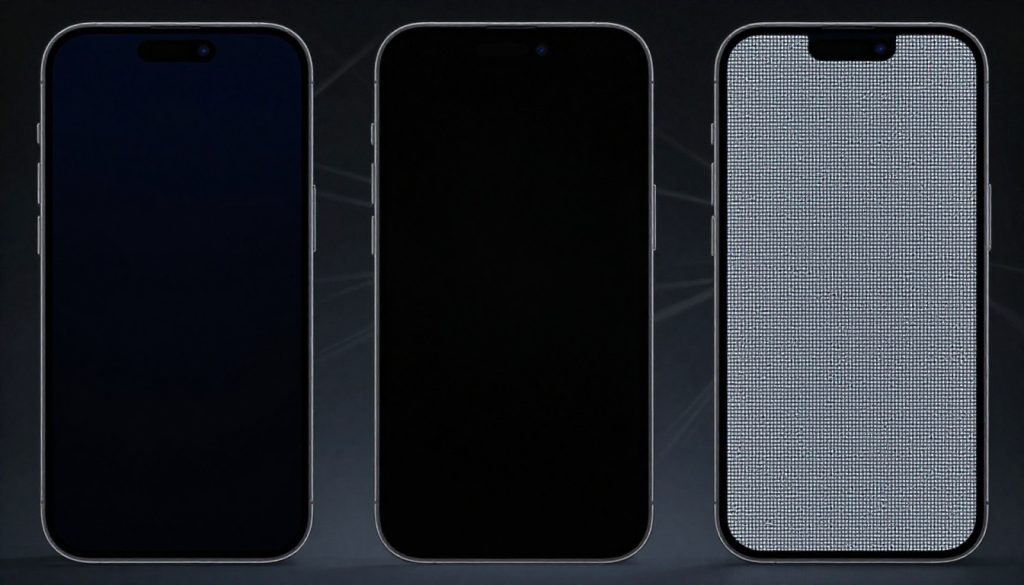

Phone Display Guide 2026: AMOLED vs OLED vs LCD – Pick the Best Screen for You
Your phone screen greets you first thing in the morning and sticks with you all day. In 2026, it’s more than just a window to apps and photos—it’s the heart of how you connect, work, and play. With smartphones now your main gadget for everything from emails to movies, the display tech you choose shapes your whole experience. Poor quality means washed-out colors or quick battery drain, while a top-notch one delivers sharp details and lasts longer. Let’s break down the big three: LCD for basics, OLED for smart glow, and AMOLED as the refined star. This phone display guide 2026 will help you spot the differences and decide what’s right for your wallet and habits.
By the end, you’ll know how these screens stack up in real life. We’ll cover how they work, what they mean for your daily use, and trends pushing things forward this year. Expect tips to guide your next buy, like why AMOLED rules flagships now.
Understanding the Basics: How Phone Screens Light Up
Screens light up in different ways, and that changes everything from looks to power use. Think of it like lamps in a room—some need a constant bulb on, others flick off for true dark spots.
LCD: The Reliable Old Friend
LCD panels use liquid crystals to twist light from a backlight. Those crystals sit between glass layers with filters. The backlight, often LEDs, stays on full time to push light through.
This setup keeps costs low, so you see them in cheap phones. Colors stay even across the screen, no hot spots. But that always-on light means blacks look gray, not deep. In bright rooms, IPS versions—a fancier LCD type—shine well with wide angles. No real black levels, though, so movies lose punch.
Still, LCD holds up for simple tasks. It lasts years without fading much. If you want steady performance on a budget, this tech fits.
OLED: Pixels That Shine on Their Own
OLED flips the script. Each pixel makes its own light with organic materials that glow when powered. No need for a backlight—pixels turn off completely for black.
That gives infinite contrast. Dark scenes in games pop with true voids. You get richer colors too, covering wide gamuts like DCI-P3. In 2026, tweaks make them tougher, but watch for burn-in if you leave static images like nav bars on too long.
OLED feels alive. Scroll through photos, and details leap out. It’s why many mid-range phones switched over last year.
AMOLED: OLED with Smarter Controls
AMOLED builds on OLED by adding active-matrix tech. Thin transistors control each pixel faster. This means smoother motion and higher refresh rates.
You see it in premium phones for 120Hz scrolling that feels buttery. Gaming gets a boost—no blur in fast action. It’s not a whole new type, just OLED done better for speed and efficiency.
Brands like Samsung lead here. Their panels hit high brightness without wasting power on off pixels.
Comparing Visuals: How They Look in Action
Now, let’s pit them against each other. What do you notice when you hold the phone?
Blacks, Contrast, and That Movie Magic
OLED and AMOLED win hands down on contrast. Turn off pixels for pure black—no light leak. LCDs can’t match; their backlight bleeds through, making shadows murky.
Watch a night scene in a film. OLED delivers depth that pulls you in. HDR content shines brighter on these too, with highlights popping up to 2000 nits. If you love dark mode apps, OLED saves eyes and battery.
LCD tries with local dimming in some models, but it’s no match. For cinema fans, skip LCD.
Brightness, Colors, and Sunlight Struggles
Peak brightness matters outdoors. Top OLEDs now reach 2500 nits in spots, beating most LCDs at 1000-1500. But full-screen white? LCD might edge out since OLED pixels all light up.
Colors? OLED covers 100% DCI-P3, vivid for edits or photos. LCD hits sRGB well but fades in extremes. In sun, both struggle, but anti-glare coats help OLED more.
Flagships like the latest Galaxy push these numbers. Check specs before buying if you hike a lot.
Angles: Does It Hold Up from the Side?
View from an angle, and LCD can shift colors—yellows turn green. IPS fixes this somewhat, but not perfect.
OLED keeps things steady. No washout, so group watches stay clear. AMOLED adds punch from any spot.
If you share screens often, this tips the scale.
Power, Toughness, and Price: What It Costs You
Displays affect more than eyes. They hit your battery and bank too.
Battery Impact: Who Drains Less?
OLED shines—literally—for dark stuff. Pixels off means no power draw. Dark mode? Your phone lasts hours extra.
White screens flip it. All pixels on guzzles more than LCD’s steady backlight. In 2026, LTPO tech in OLED adjusts rates to sip power.
LCD wins even use, like reading white docs. But overall, OLED edges for mixed days. Watch “OLED battery drain” myths—they’re old news with smart software.
How Long Do They Last? Burn-In Fears
LCDs endure forever. No organic bits to wear out. OLED faced burn-in woes, where ghosts of images stick.
Now, fixes like pixel shifts and cooling help. LTPO panels last 5+ years easy. Manufacturers back it with warranties.
For heavy users, AMOLED holds up fine. Just vary your apps.
Price Tags: Budget vs Premium
LCD keeps entry phones under $300. Simple to make.
OLED jumps to mid-range, $400+. AMOLED? Flagships over $800, thanks to layers.
Market splits clear: Budget gets LCD, pros get AMOLED. Value? Depends on needs.
What’s Next for Screens in 2026
Tech moves fast. Here’s the buzz.
Smooth Scrolling with LTPO Magic
LTPO lets screens drop to 1Hz for static views, saving juice. Up to 120Hz for games.
This variable rate boosts battery 20-30%. Most new phones pack it now.
It smooths everything without waste.
MicroLED Dreams and Hidden Cameras
MicroLED promises no burn-in—tiny LEDs, no organics. But it’s pricey, stuck in TVs.
OLED evolves with under-display cameras. No notch, full screen real estate.
Foldables push flexible OLED further.
Bending Screens: Foldables Lead
Foldables use AMOLED only. They bend without cracks, but creases show.
Visuals stay top-tier. If you want one, expect premium prices.
Pick Your Screen: Match It to Your Life
No one-size-fits-all. Let’s tailor it.
Tight Budget? LCD Delivers Basics
For under $300, IPS LCD gives solid colors and 90Hz refresh. No deep blacks, but bright enough.
Great for calls, texts, light browsing. Skip if movies matter.
Aim for 90Hz min—feels snappier than 60.
Movies and Games? Go AMOLED
HDR streams glow on AMOLED. Blacks make space scenes epic. Games run fluid at 144Hz.
Touch rates over 240Hz help taps register fast. Dark mode? Battery bonus.
If this is you, splurge here.
Long-Term Use: Balance Risks
Keep phones 3 years? OLED’s quality trumps LCD fade. Check burn-in coverage in warranty.
Viewing steady? OLED wins. Outdoors heavy? Bright LCDs compete.
Test in store—hold at angles, play video.
Conclusion: Nail Your 2026 Screen Choice
Wrapping up this phone display guide 2026, here’s the quick compare:
| Feature | LCD | OLED | AMOLED |
|---|---|---|---|
| Contrast | Good, but gray blacks | Infinite, true black | Infinite, true black |
| Power Use | Even across content | Best for darks | Best for darks, adaptive |
| Cost | Low, budget king | Mid-range | Premium, feature-packed |
| Longevity | Excellent | Good with mitigations | Good with mitigations |
LCD suits starters who want value. OLED steps up visuals for most. AMOLED? The 2026 champ for smooth, vibrant life.
Hunt for LTPO AMOLED in your next phone—it blends power, looks, and smarts best. Check reviews for real brightness tests. Your eyes (and battery) will thank you. Ready to upgrade? Hit the stores and see the difference yourself.